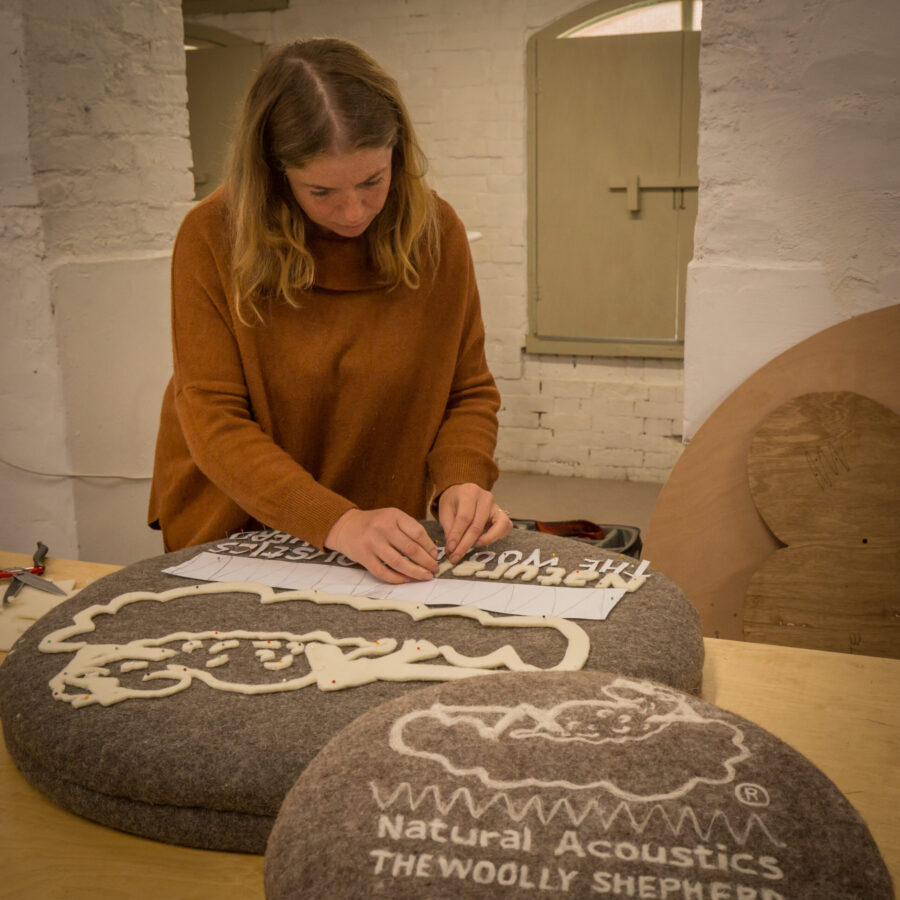
As an acoustics company, the Woolly Shepherd has always taken product testing and recognised standards seriously. Recently, we have been focusing on evaluating our orchestra shield. However, we’ve begun to question the accuracy and real-world relevance of one commonly used method for evaluating acoustic shields.
The Problem Musicians Face
Back in early 2012, a professional musician approached us with a concern. As a lead trumpet player, he explained that neither he nor his orchestra colleagues were satisfied with the existing acoustic shields available on the market. Despite trying several products, none offered the comfort, usability, or meaningful noise reduction they needed during rehearsals and performances.
That conversation led to the development of our own acoustic shield: The Haven.
Seven years later—and following the high-profile Royal Opera House Orchestra ruling—the Haven is attracting growing interest from orchestras and bands seeking safer, more effective hearing protection solutions. Which brings us to the focus of this blog: how acoustic shields are actually tested, and why it matters.
Why Standard Acoustic Shield Testing Falls Short
Up until recently, we have mainly supplied Havens for musicians to try in real-world settings. As a result, we didn’t have formal data showing the decibel reduction it provides—and that is something we now intend to change.
Most competing products rely on a testing method that positions a noise source on one side of a screen and a microphone on the other, inside an anechoic chamber. This setup measures how effectively a screen blocks sound travelling in a straight line in a perfectly controlled environment.
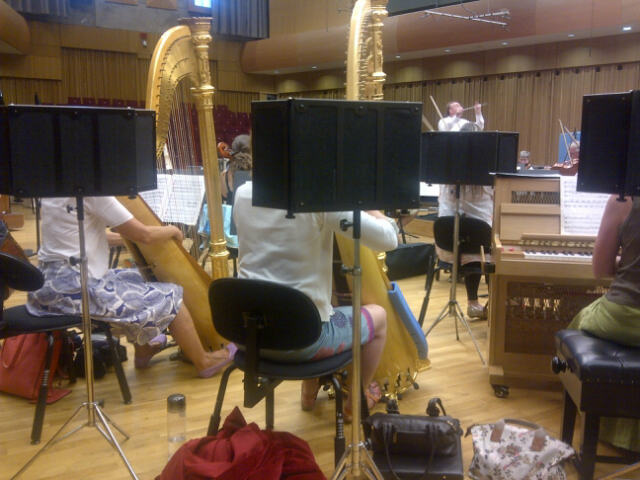
While this is useful for comparing one product against another, it does not reflect the complex acoustic realities of an orchestra pit, rehearsal room, or concert stage. In real environments, musicians face:
reflections
diffusions
varying sound sources
unpredictable dynamics
Relying on laboratory-only data can give musicians and employers a misleading sense of safety.
Why Accurate Decibel Exposure Data Matters
Unlike being sold a car with unrealistic fuel-economy figures, being misled about your noise exposure can have serious, long-term consequences. For musicians, discovering that actual decibel levels are far higher than expected means increased risk of permanent hearing damage. For employers, it could also result in significant liability and compensation claims.
This is why, even if it makes our Haven acoustic shield appear less effective in comparison with competitors’ lab-tested products, we believe in prioritising realistic, field-based testing.
Gathering Real-World Data With Orchestras
We are now approaching orchestras willing to collaborate with us by using in-ear monitoring systems to collect genuine exposure data during rehearsals and performances. This will allow us to measure actual decibel levels rather than hypothetical results from controlled environments.
We recognise that this approach may not present our product in the most flattering light compared with traditional, idealised testing methods. But for a health-and-safety-focused product, honesty and accuracy must come first.
We Want Your Thoughts
We believe that acoustic shields should be tested in conditions that reflect how musicians actually use them. We would love to hear your views on this approach and on the future of real-world hearing protection for musicians.
— Tim Simmons, Managing Director, Woolly Shepherd