
TEL: 01823 400321

What our customers say about Woolly Shepherd Acoustic Clouds
Woolly Shepherd Ltd are a UK based, acoustic panel manufacturer. We supply sustainable acoustic solutions and panels from natural fibres. Probably best known for our acoustic clouds, with hundreds of installations around the UK. Our unique range enhance your environment, reducing background noise and improving speech intelligibility, thereby creating a less stressful and more productive space.
Before we install any of our acoustic panels, we carry out a detailed acoustic survey which can be an onsite survey or, if this is not possible, a remote survey. This is to ensure that we specify the correct amount of acoustic absorption for your specific space. This is very important as every room has different requirements according to the activities that take place in it and the people that use it.
Our acoustic surveys are carried out by, appropriately trained, specialist staff who are familiar with and understanding of, the needs of clients with special hearing or communication needs such as:
Speech, language and communication difficulties
Visual impairments
Fluctuating hearing impairments caused by conductive hearing loss
Attention deficit hyperactivity disorders (ADHD)
Auditory processing disorder or difficulty
Being on the autistic spectrum

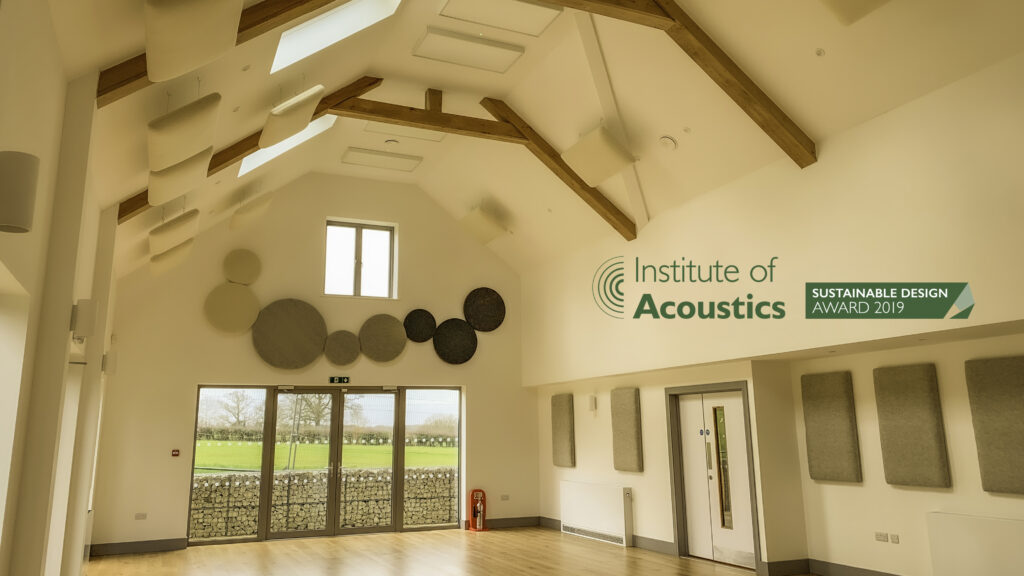
VILLAGE HALL AND COMMUNITY CENTRE ACOUSTICS
CLICK BELOW